Hardwood Floor Removal in Alpharetta, GA
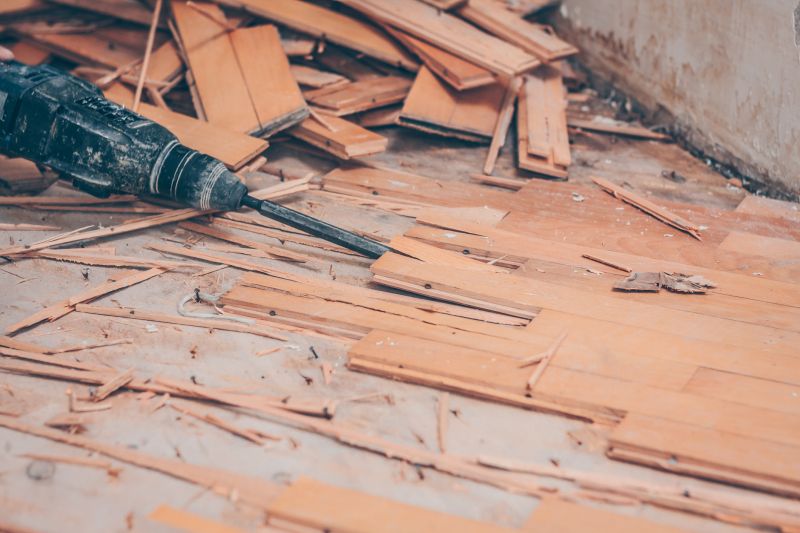
Hardwood floor removal services involve carefully taking out existing hardwood flooring to prepare for new flooring installations or renovations. This process typically covers a variety of projects, including home upgrades, remodeling, or repairs where old or damaged hardwood needs to be replaced. Property owners often inquire about the scope of removal, the potential for damage to underlying surfaces, and the disposal or recycling of old flooring materials to ensure a smooth transition to their desired new floor.
Before requesting hardwood floor removal, homeowners usually want to understand the condition of the current flooring, whether the removal process will impact adjacent areas, and if any additional work, such as subfloor repairs or surface preparation, is necessary afterward. Clarifying these details helps property owners plan effectively for their renovation projects and ensures the removal process aligns with their overall remodeling goals.
Many property owners in Alpharetta, GA look into Hardwood Floor Removal for repairs, replacements, upgrades, and appearance-related improvements.
Reasons For Hardwood Floor Removal
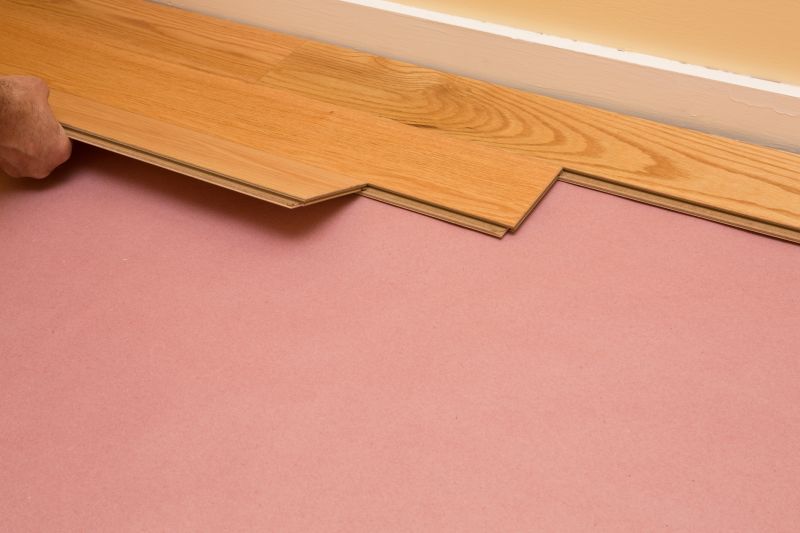
Removing old or damaged hardwood floors prepares spaces for new flooring or renovations.
Types Of Projects Involving Floor Removal
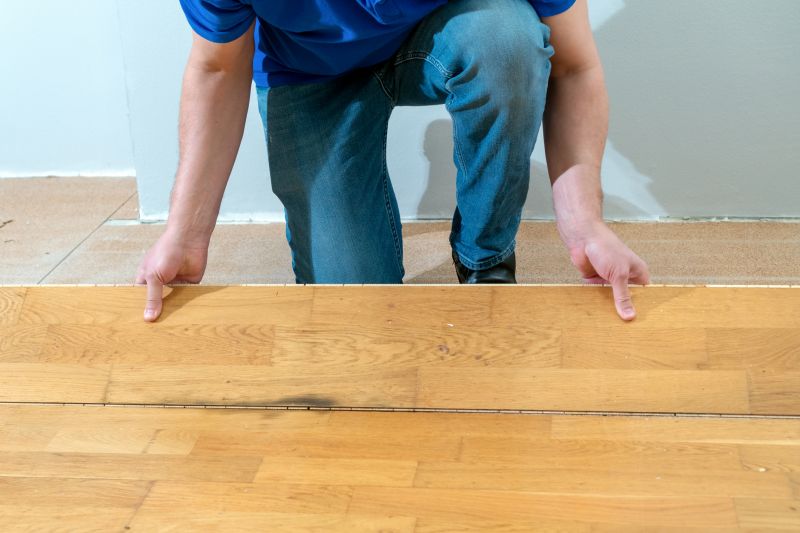
Common projects include remodeling, water damage repair, and upgrading to different flooring materials.
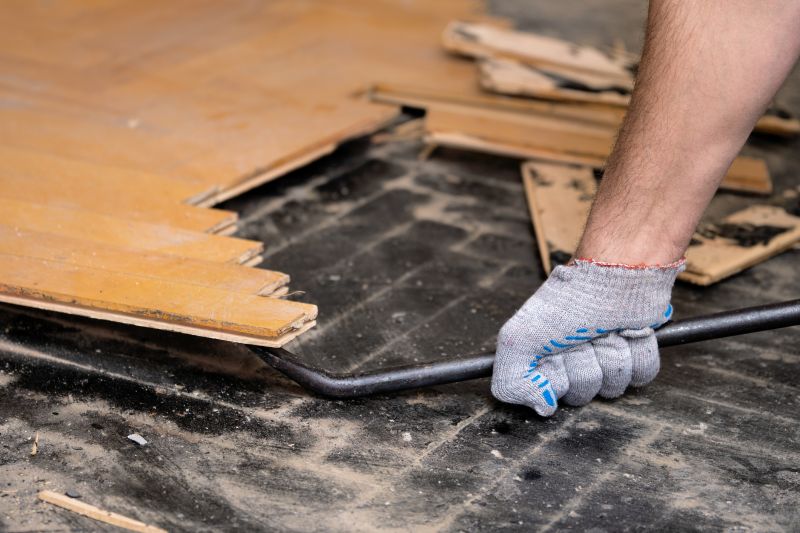
Considerations Before Removal
Assessing subfloor condition and planning for disposal are important steps in the removal process.
Hardwood Floor Removal in Alpharetta, GA
Hardwood floor removal services involve carefully taking out existing hardwood flooring to prepare for new flooring installations or renovations. This process typically covers a variety of projects, including home upgrades, remodeling, or repairs where old or damaged hardwood needs to be replaced. Property owners often inquire about the scope of removal, the potential for damage to underlying surfaces, and the disposal or recycling of old flooring materials to ensure a smooth transition to their desired new floor.
Before requesting hardwood floor removal, homeowners usually want to understand the condition of the current flooring, whether the removal process will impact adjacent areas, and if any additional work, such as subfloor repairs or surface preparation, is necessary afterward. Clarifying these details helps property owners plan effectively for their renovation projects and ensures the removal process aligns with their overall remodeling goals.
Many property owners in Alpharetta, GA look into Hardwood Floor Removal for repairs, replacements, upgrades, and appearance-related improvements.
Common Hardwood Floor Removal Jobs
Hardwood Floor Removal - Safe and efficient removal of existing hardwood flooring for renovation projects.
Floor Replacement - Prepares spaces for new flooring installations by removing old hardwoods.
Damage Repair - Clears damaged or warped hardwood to facilitate repairs or replacements.
Property Renovation - Supports remodeling efforts by removing outdated or worn flooring materials.
Subfloor Preparation - Removes hardwood to access or prepare subfloors for new installations.
Asbestos or Hazardous Material Removal - Safely eliminates hazardous flooring materials during renovation.
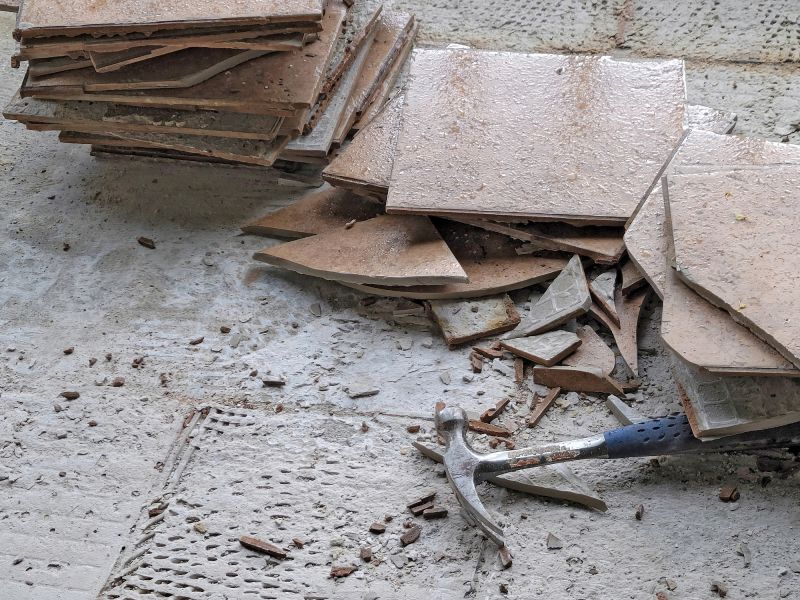
Hardwood Floor Removal Questions
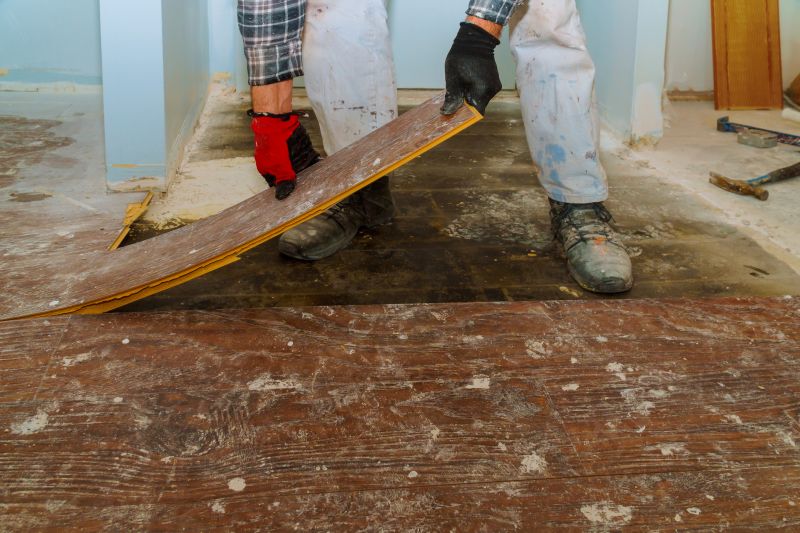
What types of hardwood floors can be removed? Both solid and engineered hardwood flooring can be safely removed using appropriate techniques.
Is hardwood floor removal messy? Some dust and debris are common, but proper containment methods help minimize mess during removal.
Can hardwood floor removal damage subflooring? When performed correctly, removal typically does not harm the underlying subfloor.
What projects often require hardwood floor removal? Removal is common during renovations, water damage repairs, or when replacing worn or outdated flooring.
Request Hardwood Floor Removal in Alpharetta, GA
Use the quote form on this page to share the basics of your project and request more information for the type of work you need.